Description
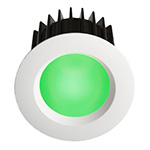
The 24V LED recessed spotlight with a color temperature of 3000K has been specially developed for applications with limited installation space. With an impressive efficiency of 119 lm/W and a typical CRI of 94, it ensures natural and high-quality color reproduction.
Areas of application:
The prismatic lens of the 24V LED spotlight creates a warm white light with 3000 Kelvin, which pleasantly illuminates rooms and supports a harmonious design concept. The quality of light and elegant appearance make this spotlight the ideal choice for sophisticated lighting projects in all rooms of your smart home!
Here you will find the 10 best tips for LED spots, free tools, tutorials, our lighting blog and many other Emilum services. We support you with advice and assistance in your construction project as if it were our own!
Technical features:
The 3000K spot is protected against damage from faulty wiring thanks to reverse polarity protection. Thanks to the constant current control, the lumen output remains stable, even with voltage fluctuations or voltage drops on the line. This guarantees a constant brightness of the downlight.
Control
The LED Spot 3000K is controlled via a 24V PWM dimmer. To ensure a flicker-free and healthy light, we recommend dimmers with a high dimming frequency. Our dimmers with the article numbers E10001 and E10072 are ideal for operating up to 60 spots on one dimmer.
Other options:
This spotlight is part of our extensive range of 24V LED spotlights. For added flexibility, our dim-to-warm technology offers the option of changing the light temperature to customize your space and create a more comfortable atmosphere.
Discover more options:
In addition to this model, our portfolio includes a variety of other LED recessed spotlights in warm white, developed for a wide range of requirements. Discover the perfect lighting solution for your home!

Eulumdaten